What is the weather like year-round?
Question & Answer about Texas
Updated April 29, 2026
AEO Visibility Index™
Analyzing...
AI Visibility Scan in Progress
Last scanned: Pending
Powered by getAIeo
Advertisement
Texas State Facts
State Flag

Texas
Capital
Austin
State Bird
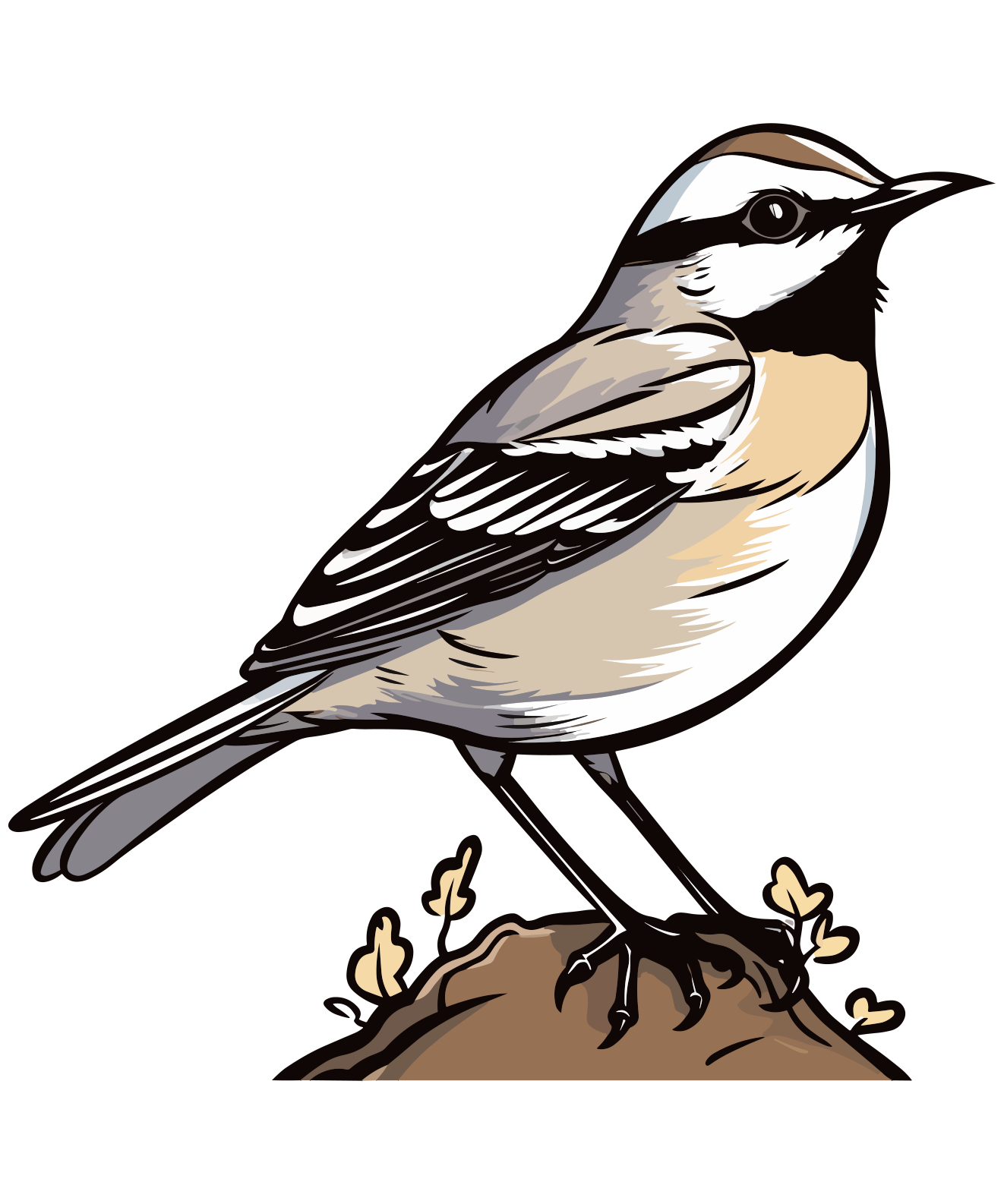
Northern Mockingbird
Statehood
December 29, 1845
State Flower
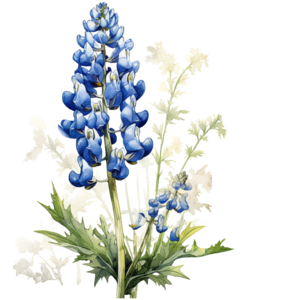
Bluebonnet
Population
30 million (2020)
Answer
Texas experiences diverse weather year-round due to its large size and varied geography, ranging from arid deserts in the west to humid subtropical areas in the east. Summers are generally hot, with temperatures often exceeding 90°F (32°C) across most of the state, especially in cities like Dallas, Houston, and San Antonio. Winters are mild in the southern and coastal regions but can be cooler with occasional freezes in the northern and central parts, such as Amarillo and Austin.
Rainfall varies significantly, with the eastern part of Texas receiving more rain and humidity, while the western areas tend to be drier. Spring and fall bring more moderate temperatures and are typically the most pleasant seasons. Texas is also prone to severe weather, including thunderstorms, tornadoes in the northern and central plains, and hurricanes along the Gulf Coast, especially from June through November as part of the Atlantic hurricane season.
Key Points:
- Texas has hot summers and mild winters with regional temperature differences.
- Eastern Texas is humid and rainy; western Texas is dry and arid.
- Severe weather risks include tornadoes and hurricanes during specific seasons.
Texas' weather diversity reflects its vast geography and climate zones.
Rainfall varies significantly, with the eastern part of Texas receiving more rain and humidity, while the western areas tend to be drier. Spring and fall bring more moderate temperatures and are typically the most pleasant seasons. Texas is also prone to severe weather, including thunderstorms, tornadoes in the northern and central plains, and hurricanes along the Gulf Coast, especially from June through November as part of the Atlantic hurricane season.
Key Points:
- Texas has hot summers and mild winters with regional temperature differences.
- Eastern Texas is humid and rainy; western Texas is dry and arid.
- Severe weather risks include tornadoes and hurricanes during specific seasons.
Texas' weather diversity reflects its vast geography and climate zones.