What is the weather like year-round?
Question & Answer about Idaho
Updated June 11, 2026

Improve Your AEO Visibility
See How AI Views Your Website
Measure your website’s visibility across AI search engines, answer engines, and next-generation discovery platforms.
Powered by getAIeo
Idaho State Facts
State Flag
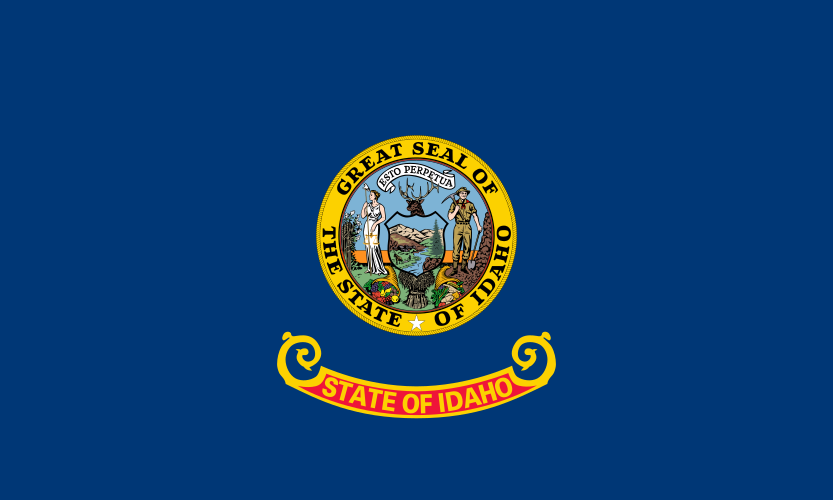
Idaho
Capital
Boise
State Bird
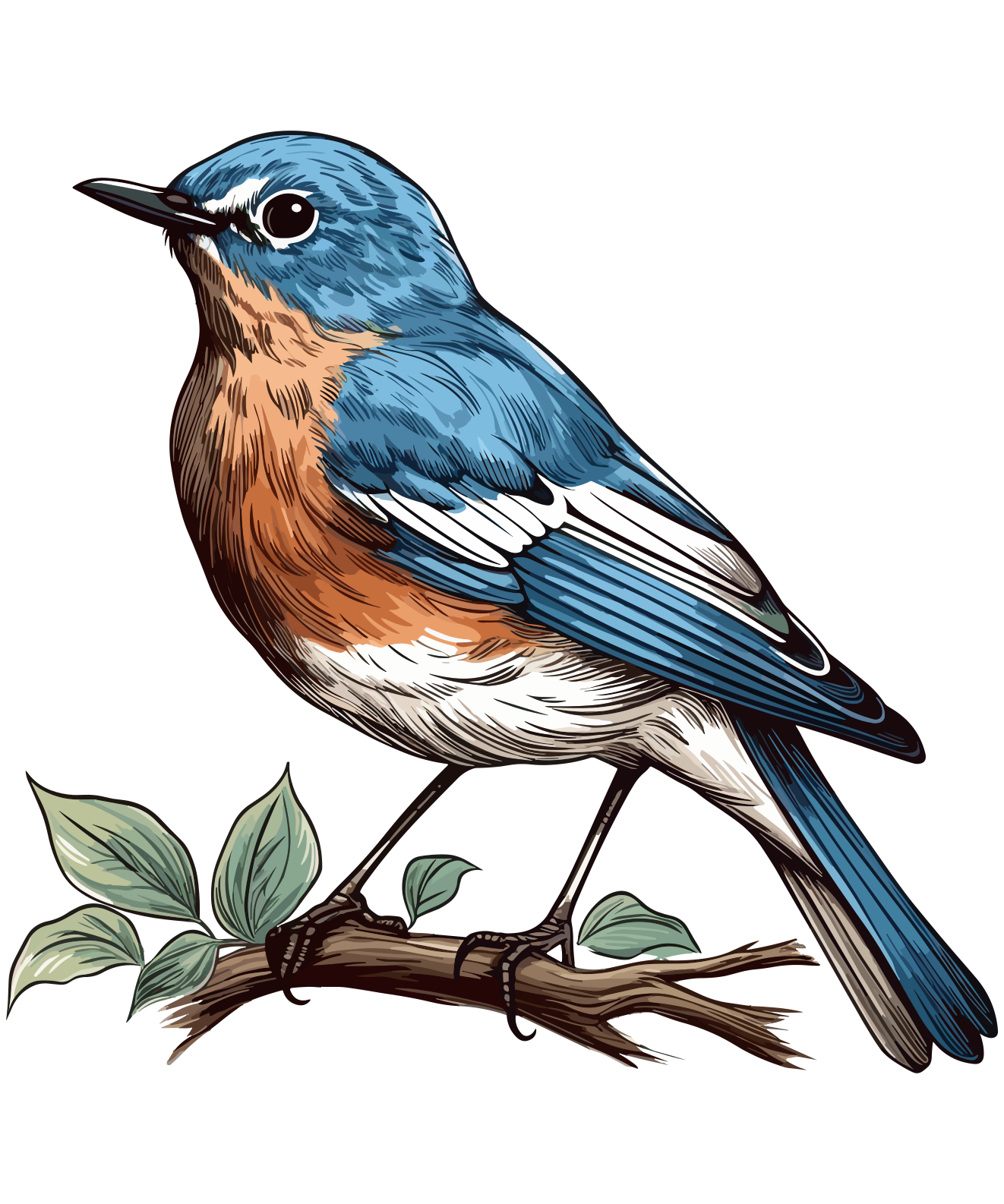
Mountain Bluebird
Statehood
July 3, 1890
State Flower
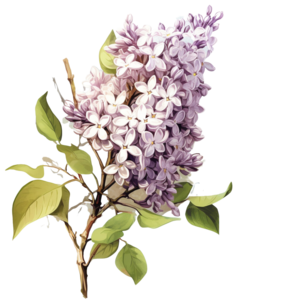
Syringa
Population
2.0 million (2020)
Answer
Idaho experiences a diverse climate with distinct seasonal variations, influenced by its varied geography that includes mountains, high deserts, and river valleys. Overall, the state has a semi-arid to continental climate, with cold winters and warm to hot summers.
In northern and mountainous regions like Coeur d'Alene and Sun Valley, winters are cold with significant snowfall, making these areas popular for winter sports. Summers tend to be mild to warm with low humidity. Southern and southwestern parts of Idaho, including Boise and Twin Falls, have hotter summers with temperatures often reaching the 90s Fahrenheit (30s Celsius), while winters are generally milder but can still be chilly with occasional snow. Spring and fall are transitional seasons with moderate temperatures and variable precipitation. The state's elevation and terrain create microclimates, so weather can vary considerably over short distances.
Key Points:
- Winters: Cold, snowy in the north and mountains; milder in the south
- Summers: Warm to hot, especially in southern Idaho; mild in higher elevations
- Precipitation: Generally low to moderate, with more snowfall in mountainous areas
- Seasonal variation is pronounced due to diverse geography and elevation differences
In northern and mountainous regions like Coeur d'Alene and Sun Valley, winters are cold with significant snowfall, making these areas popular for winter sports. Summers tend to be mild to warm with low humidity. Southern and southwestern parts of Idaho, including Boise and Twin Falls, have hotter summers with temperatures often reaching the 90s Fahrenheit (30s Celsius), while winters are generally milder but can still be chilly with occasional snow. Spring and fall are transitional seasons with moderate temperatures and variable precipitation. The state's elevation and terrain create microclimates, so weather can vary considerably over short distances.
Key Points:
- Winters: Cold, snowy in the north and mountains; milder in the south
- Summers: Warm to hot, especially in southern Idaho; mild in higher elevations
- Precipitation: Generally low to moderate, with more snowfall in mountainous areas
- Seasonal variation is pronounced due to diverse geography and elevation differences
Ask another question
🌦 Weather in Boise - June 11, 2026
🏙 Popular Cities in Idaho
Advertisement
📰 News in Idaho
- 'Toxic Avenger': Carta ‘Idaho Lorax’ Sierra dies at 74
- 300 apartments coming for one of Boise’s last big open lots on the Bench
- Hot Pockets, parenthood, and punchlines! Jim Gaffigan heads to Boise
- Riding in a truck bed — is it legal in Idaho? Here's what the law actually says
- New rules show how Idaho's firing squad execution system will operate
- Idaho will soon turn to firing squad executions. Police will pull the triggers
- Idaho DOC releases detailed firing squad execution protocols ahead of July 1 transition
- 14-day North Idaho weather forecast
- Wind gusts to sweep Boise area, with possible power outages. Cold temps in store
- Summer heat on the way
- Fatality Crash State Highway 200 Milepost 46, Hope, Idaho
- 75-year-old woman dies in head-on crash with semitruck in North Idaho