What is the weather like year-round?
Question & Answer about Georgia
Updated June 11, 2026

Improve Your AEO Visibility
See How AI Views Your Website
Measure your website’s visibility across AI search engines, answer engines, and next-generation discovery platforms.
Powered by getAIeo
Georgia State Facts
State Flag

Georgia
Capital
Atlanta
State Bird
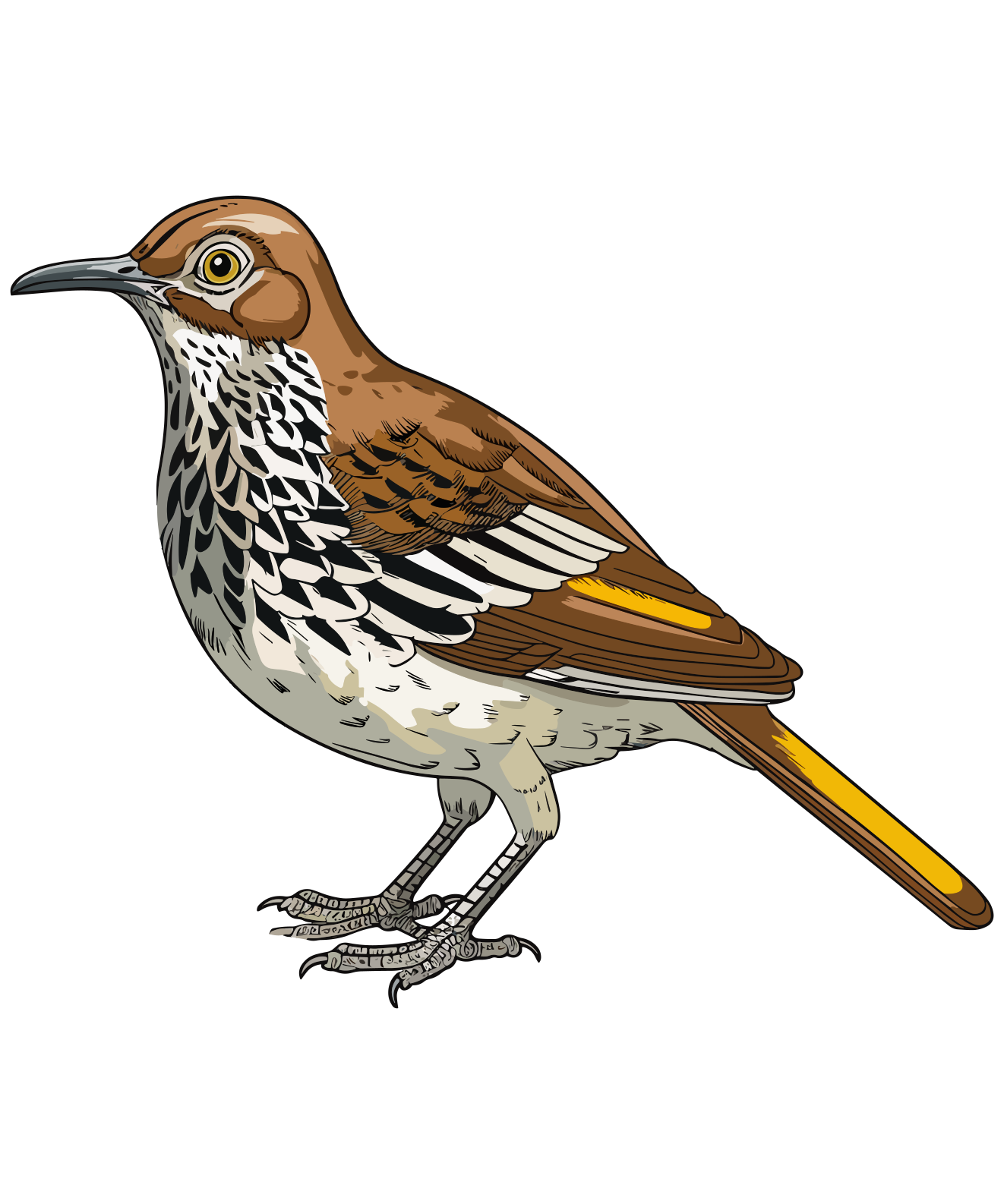
Brown Thrasher
Statehood
January 2, 1788
State Flower
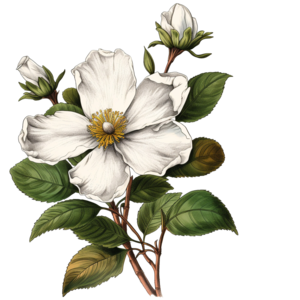
Cherokee Rose
Population
11 million (2020)
Answer
Georgia experiences a humid subtropical climate characterized by hot summers and mild winters, with significant seasonal variation in temperature and precipitation. Summers, especially from June through August, are typically hot and humid, with average high temperatures in the 80s to low 90s Fahrenheit (27–34°C). Winters are generally mild, with average lows rarely falling below freezing, particularly in the southern parts of the state.
Spring and fall are transitional seasons with pleasant temperatures and lower humidity, making them popular times for outdoor activities. Rainfall is fairly evenly distributed throughout the year, though late winter and early spring can bring occasional severe weather, including thunderstorms and tornadoes. The northern part of Georgia, which includes the Appalachian Mountains, tends to be cooler and can receive occasional snowfall in winter, unlike the warmer southern regions.
Overall, Georgia’s climate supports a long growing season and diverse agriculture, with cities like Atlanta experiencing urban heat effects that can slightly raise temperatures compared to rural areas.
Key Points:
- Hot, humid summers with highs in the 80s to 90s °F
- Mild winters with rare freezing temperatures, especially in the south
- Evenly distributed rainfall year-round, with occasional severe storms
- Cooler, sometimes snowy winters in northern mountainous areas
Spring and fall are transitional seasons with pleasant temperatures and lower humidity, making them popular times for outdoor activities. Rainfall is fairly evenly distributed throughout the year, though late winter and early spring can bring occasional severe weather, including thunderstorms and tornadoes. The northern part of Georgia, which includes the Appalachian Mountains, tends to be cooler and can receive occasional snowfall in winter, unlike the warmer southern regions.
Overall, Georgia’s climate supports a long growing season and diverse agriculture, with cities like Atlanta experiencing urban heat effects that can slightly raise temperatures compared to rural areas.
Key Points:
- Hot, humid summers with highs in the 80s to 90s °F
- Mild winters with rare freezing temperatures, especially in the south
- Evenly distributed rainfall year-round, with occasional severe storms
- Cooler, sometimes snowy winters in northern mountainous areas
Ask another question
🌦 Weather in Atlanta - June 11, 2026
🏙 Popular Cities in Georgia
Advertisement
📰 News in Georgia
- Police find child inside home after murder-suicide at Georgia house
- Lithium batteries catch fire, burn building in north Georgia
- Georgia could elect first openly transgender, nonbinary lawmaker
- Georgia Congressmen Fuller, Clyde seek impeachment of Atlanta federal judge after courthouse sex scandal investigation
- No Reset Without Releases: Georgia’s Political Prisoners and the Price of Better Relations with Washington
- Georgia football game time windows announced for 2026 season
- Brendan Sorsby fallout: Georgia, Nebraska boycott future games vs. Texas Tech as Big 12, Big Ten mull action
- Horoscope for Thursday, 6/11/26 by Georgia Nicols
- Chance Gilbert, No. 29 in the SC Next 300, commits to Auburn
- Democrat Star Wins Over Crucial Trump Voting Bloc
- Runoff election in Georgia is Tuesday. See the major 2025 primary races
- Two wealthy Republicans, one runoff: how Georgia gubernatorial candidates compare