What is the weather like year-round?
Question & Answer about Arkansas
Updated June 11, 2026

Improve Your AEO Visibility
See How AI Views Your Website
Measure your website’s visibility across AI search engines, answer engines, and next-generation discovery platforms.
Powered by getAIeo
Arkansas State Facts
State Flag

Arkansas
Capital
Little Rock
State Bird
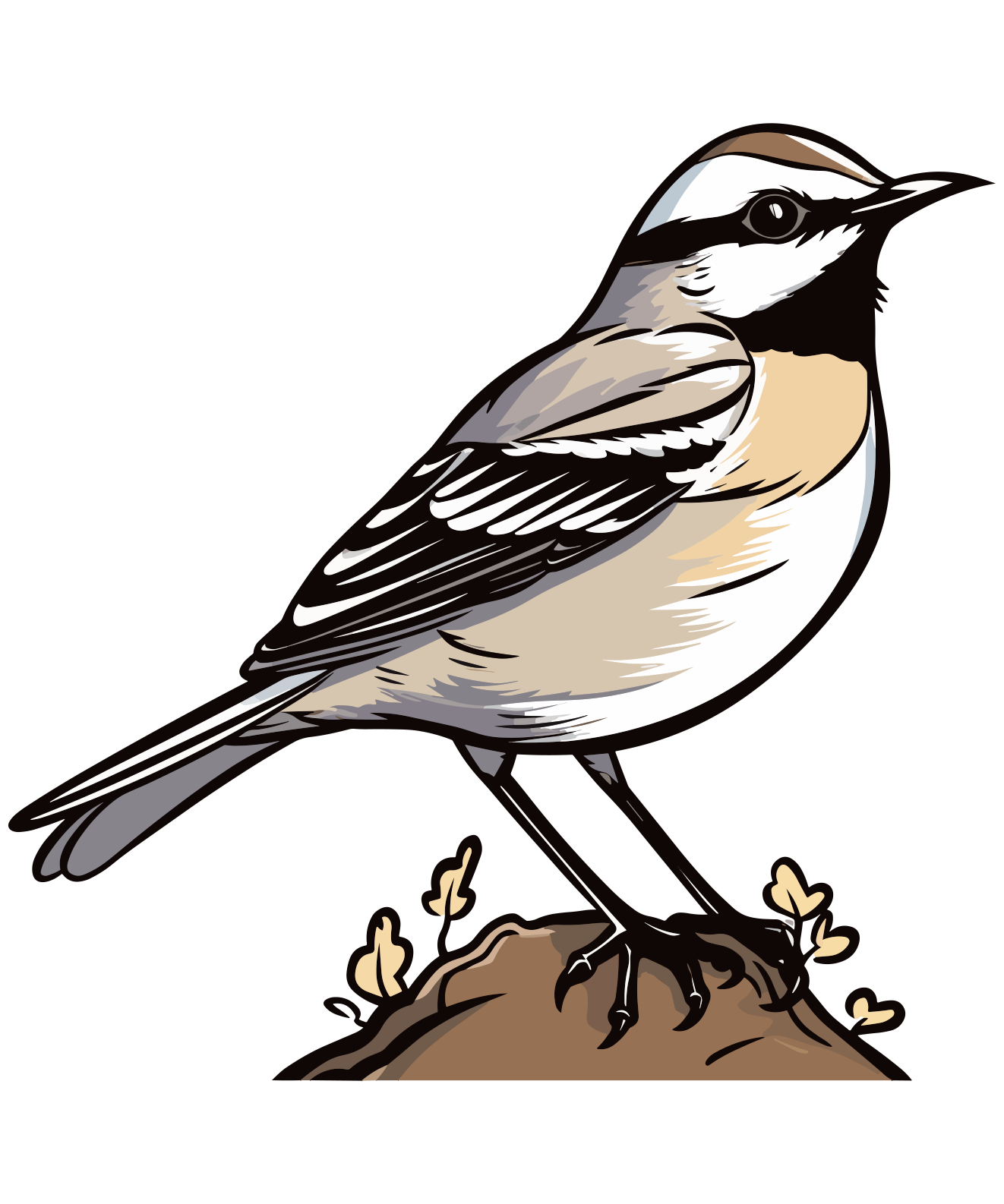
Northern Mockingbird
Statehood
June 15, 1836
State Flower
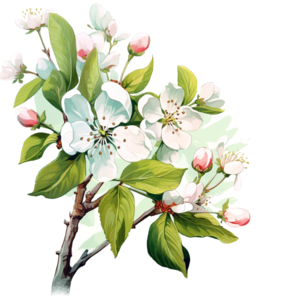
Apple Blossom
Population
3.0 million (2020)
Answer
Arkansas experiences a humid subtropical climate characterized by hot, humid summers and mild to cool winters. The state sees a significant amount of rainfall throughout the year, with the wettest months typically occurring in spring and early summer. Winters are generally mild, though occasional cold snaps and light snowfall can occur, especially in the northern and higher elevation areas.
Summers in Arkansas can be quite hot, with average high temperatures often reaching the upper 80s to mid-90s Fahrenheit (30-35°C), accompanied by high humidity levels. Spring and fall offer more moderate temperatures and are generally pleasant seasons. Due to its location in the South Central United States, Arkansas is also prone to severe weather events such as thunderstorms, tornadoes, and occasional flooding, particularly in the spring. The state’s varied topography, including the Ozark and Ouachita Mountains, can influence localized weather patterns.
Key Points:
- Hot, humid summers with highs in the 80s to 90s°F
- Mild winters with occasional cold spells and light snow
- Spring and early summer are the wettest seasons
- Susceptible to thunderstorms and tornadoes, especially in spring
- Varied geography influences localized weather variations
Summers in Arkansas can be quite hot, with average high temperatures often reaching the upper 80s to mid-90s Fahrenheit (30-35°C), accompanied by high humidity levels. Spring and fall offer more moderate temperatures and are generally pleasant seasons. Due to its location in the South Central United States, Arkansas is also prone to severe weather events such as thunderstorms, tornadoes, and occasional flooding, particularly in the spring. The state’s varied topography, including the Ozark and Ouachita Mountains, can influence localized weather patterns.
Key Points:
- Hot, humid summers with highs in the 80s to 90s°F
- Mild winters with occasional cold spells and light snow
- Spring and early summer are the wettest seasons
- Susceptible to thunderstorms and tornadoes, especially in spring
- Varied geography influences localized weather variations
Ask another question
🌦 Weather in Little Rock - June 11, 2026
🏙 Popular Cities in Arkansas
Advertisement
📰 News in Arkansas
- Arkansas lands QB for 2027
- Transgender Arkansans and their families weigh moving or staying in the face of restrictions
- Bentonville photographer arrested on 100 counts of CSAM possession
- A huge Arkansas solar + storage project locks in $3.5B in financing
- VIDEO: Arkansas meteorologist stays live on air during studio fire while reporting on severe weather coverage
- Fire breaks out in Arkansas studio while meteorologist reports live
- Fire breaks out in Arkansas studio while meteorologist reports live
- Investigation underway after fatal shooting in Arkansas
- Man charged with murder in Morrilton toddler’s death
- Northwest Arkansas man accused of shooting his wife and then himself in front of their son
- U.S. Marshals Arrest Malone in Arkansas
- U.S. Marshals seek fugitive in juvenile sex crimes case