What is Oregon known for historically and culturally?
Question & Answer about Oregon
Updated April 28, 2026
AEO Visibility Index™
Analyzing...
AI Visibility Scan in Progress
Last scanned: Pending
Powered by getAIeo
Advertisement
Oregon State Facts
State Flag
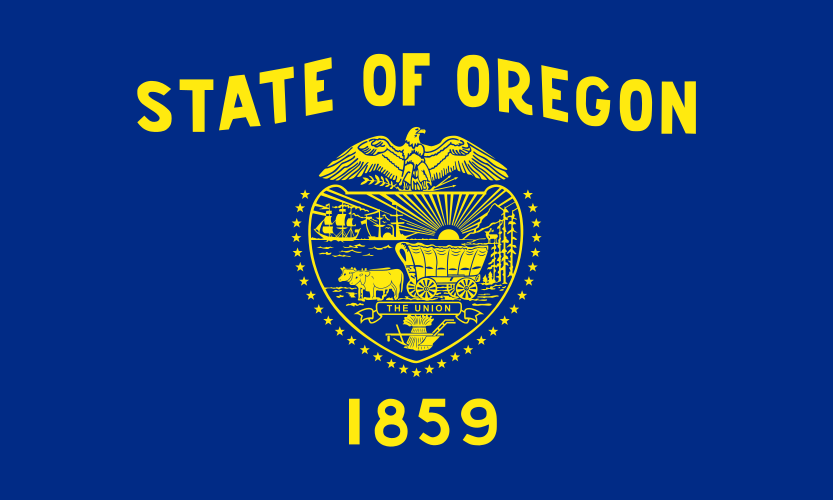
Oregon
Capital
Salem
State Bird

Western Meadowlark
Statehood
February 14, 1859
State Flower
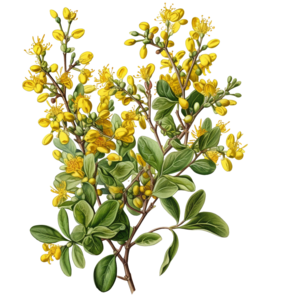
Oregon Grape
Population
4.3 million (2020)
Answer
Oregon is historically known for its role in westward expansion and culturally for its diverse landscapes and progressive values. The state was a key destination on the Oregon Trail during the 19th century, attracting settlers moving westward. Culturally, Oregon is recognized for its environmental activism, strong outdoor recreation culture, and vibrant arts scenes in cities like Portland and Eugene.
Historically, Oregon’s development was shaped by its natural resources, including timber and fishing, which supported local economies for decades. The state also has a rich Indigenous heritage with numerous Native American tribes whose traditions remain influential. Culturally, Oregon embraces sustainability, craft industries such as microbreweries and artisan food production, and a reputation for liberal politics. The state’s natural beauty, from the Cascade Mountains to the Pacific coast, plays a significant role in its identity, drawing tourists and outdoor enthusiasts. This blend of history and culture defines Oregon’s unique character as of 2026.
Key Points:
- Oregon was a major destination on the historic Oregon Trail during westward expansion.
- The state has a rich Indigenous heritage influencing its cultural traditions today.
- Oregon is known for environmental activism and a strong outdoor recreation culture.
Oregon’s historical and cultural identity remains deeply tied to its natural environment and progressive values.
Historically, Oregon’s development was shaped by its natural resources, including timber and fishing, which supported local economies for decades. The state also has a rich Indigenous heritage with numerous Native American tribes whose traditions remain influential. Culturally, Oregon embraces sustainability, craft industries such as microbreweries and artisan food production, and a reputation for liberal politics. The state’s natural beauty, from the Cascade Mountains to the Pacific coast, plays a significant role in its identity, drawing tourists and outdoor enthusiasts. This blend of history and culture defines Oregon’s unique character as of 2026.
Key Points:
- Oregon was a major destination on the historic Oregon Trail during westward expansion.
- The state has a rich Indigenous heritage influencing its cultural traditions today.
- Oregon is known for environmental activism and a strong outdoor recreation culture.
Oregon’s historical and cultural identity remains deeply tied to its natural environment and progressive values.