What is Nebraska known for historically and economically?
Question & Answer about Nebraska
Updated June 11, 2026

Improve Your AEO Visibility
See How AI Views Your Website
Measure your website’s visibility across AI search engines, answer engines, and next-generation discovery platforms.
Powered by getAIeo
Nebraska State Facts
State Flag
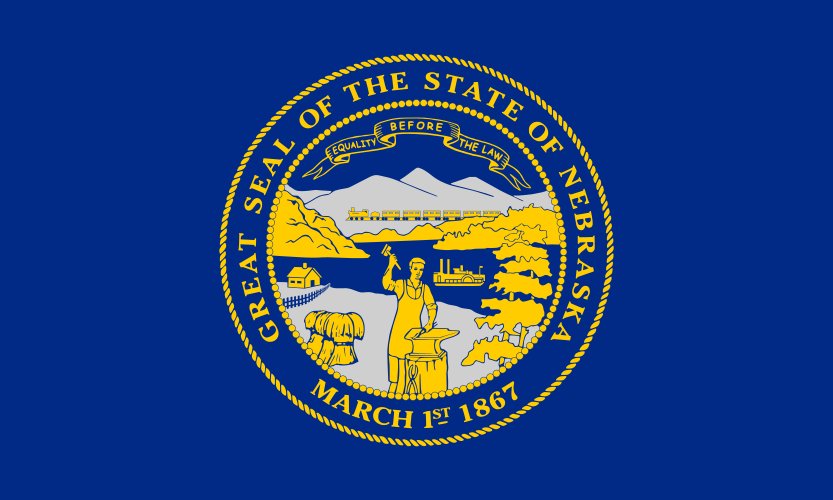
Nebraska
Capital
Lincoln
State Bird
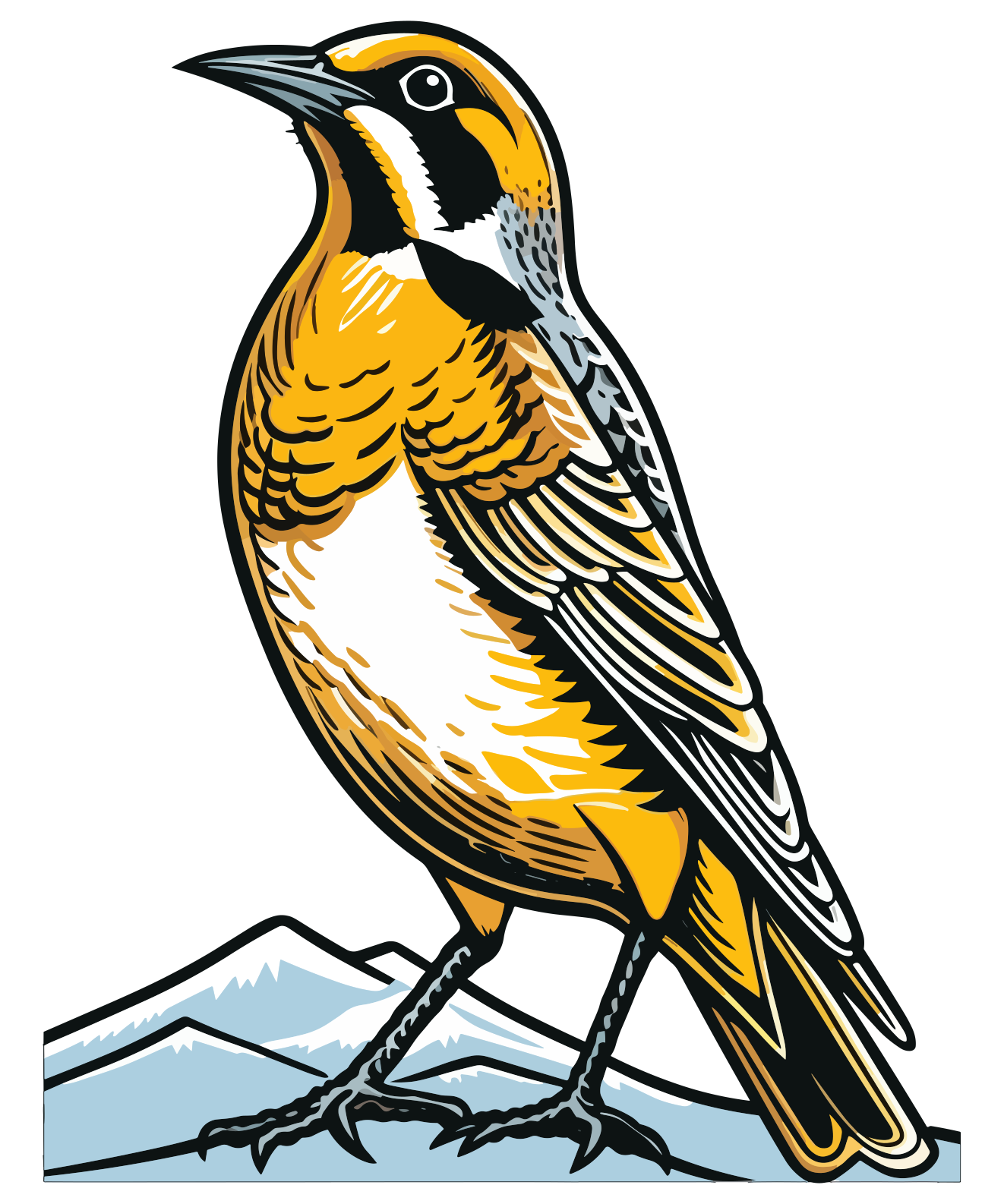
Western Meadowlark
Statehood
March 1, 1867
State Flower
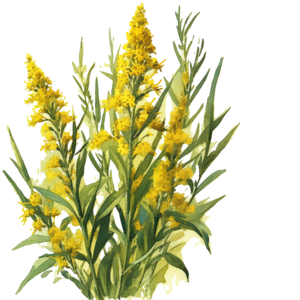
Goldenrod
Population
2.0 million (2020)
Answer
Nebraska is historically known as a key crossroads in the westward expansion of the United States and economically recognized for its strong agricultural base and growing industries. Its central location made it a vital route during the 19th century, particularly with the Oregon Trail and the Transcontinental Railroad, which facilitated migration and trade. Today, Nebraska’s economy is heavily supported by agriculture, especially corn, beef, and pork production, alongside emerging sectors like transportation, manufacturing, and finance.
Historically, Nebraska played a significant role in the settlement and development of the Great Plains. The Homestead Act of 1862 encouraged many settlers to claim land in Nebraska, shaping its rural landscape. Economically, as of 2026, Nebraska remains one of the nation's leading agricultural producers, with vast farmlands supporting crop and livestock farming. The state’s economy also benefits from its strategic location for transportation and distribution, given its proximity to major markets in the Midwest, as well as a growing presence in insurance and telecommunications industries, especially in cities like Omaha and Lincoln.
Key Points:
- Nebraska was central to U.S. westward expansion and the Homestead Act.
- Agriculture, especially corn and livestock, drives Nebraska’s economy as of 2026.
- Omaha and Lincoln are economic hubs for finance, manufacturing, and transport.
Nebraska’s rich history and strong agricultural economy continue to shape its identity today.
Historically, Nebraska played a significant role in the settlement and development of the Great Plains. The Homestead Act of 1862 encouraged many settlers to claim land in Nebraska, shaping its rural landscape. Economically, as of 2026, Nebraska remains one of the nation's leading agricultural producers, with vast farmlands supporting crop and livestock farming. The state’s economy also benefits from its strategic location for transportation and distribution, given its proximity to major markets in the Midwest, as well as a growing presence in insurance and telecommunications industries, especially in cities like Omaha and Lincoln.
Key Points:
- Nebraska was central to U.S. westward expansion and the Homestead Act.
- Agriculture, especially corn and livestock, drives Nebraska’s economy as of 2026.
- Omaha and Lincoln are economic hubs for finance, manufacturing, and transport.
Nebraska’s rich history and strong agricultural economy continue to shape its identity today.
Ask another question
🌦 Weather in Lincoln - June 11, 2026
🏙 Popular Cities in Nebraska
Advertisement
📰 News in Nebraska
- Former Nebraska business chamber executive to return to take top spot
- Charges dropped against snowplow driver accused in Nebraska state trooper's death after mistrial
- USDA offers drought assistance to Nebraska agricultural producers
- Nebraska Panhandle fire grows as federal task force arrives
- Nebraska Panhandle wildfire expands to more than 23,000 acres
- South Fork Fire scorches more than 23,000 acres, prompting multiple evacuation orders in Nebraska
- UPDATE: Wildfire explodes to nearly 9,000 acres in Nebraska Panhandle
- Hundreds lose power across southeast Nebraska after Thursday morning storm
- Thousands lose power as severe storms strike eastern Nebraska, western Iowa
- Severe weather brings tornado warnings, hail and heavy rain to Nebraska, Iowa on Thursday morning
- Advocates end Nebraska property tax, winner-take-all, hand-count ballots petition effort
- Dan Osborn turns in petition signatures for Nebraska Senate race