How harsh are the winters here?
Question & Answer about Massachusetts
Updated June 11, 2026

Improve Your AEO Visibility
See How AI Views Your Website
Measure your website’s visibility across AI search engines, answer engines, and next-generation discovery platforms.
Powered by getAIeo
Massachusetts State Facts
State Flag

Massachusetts
Capital
Boston
State Bird
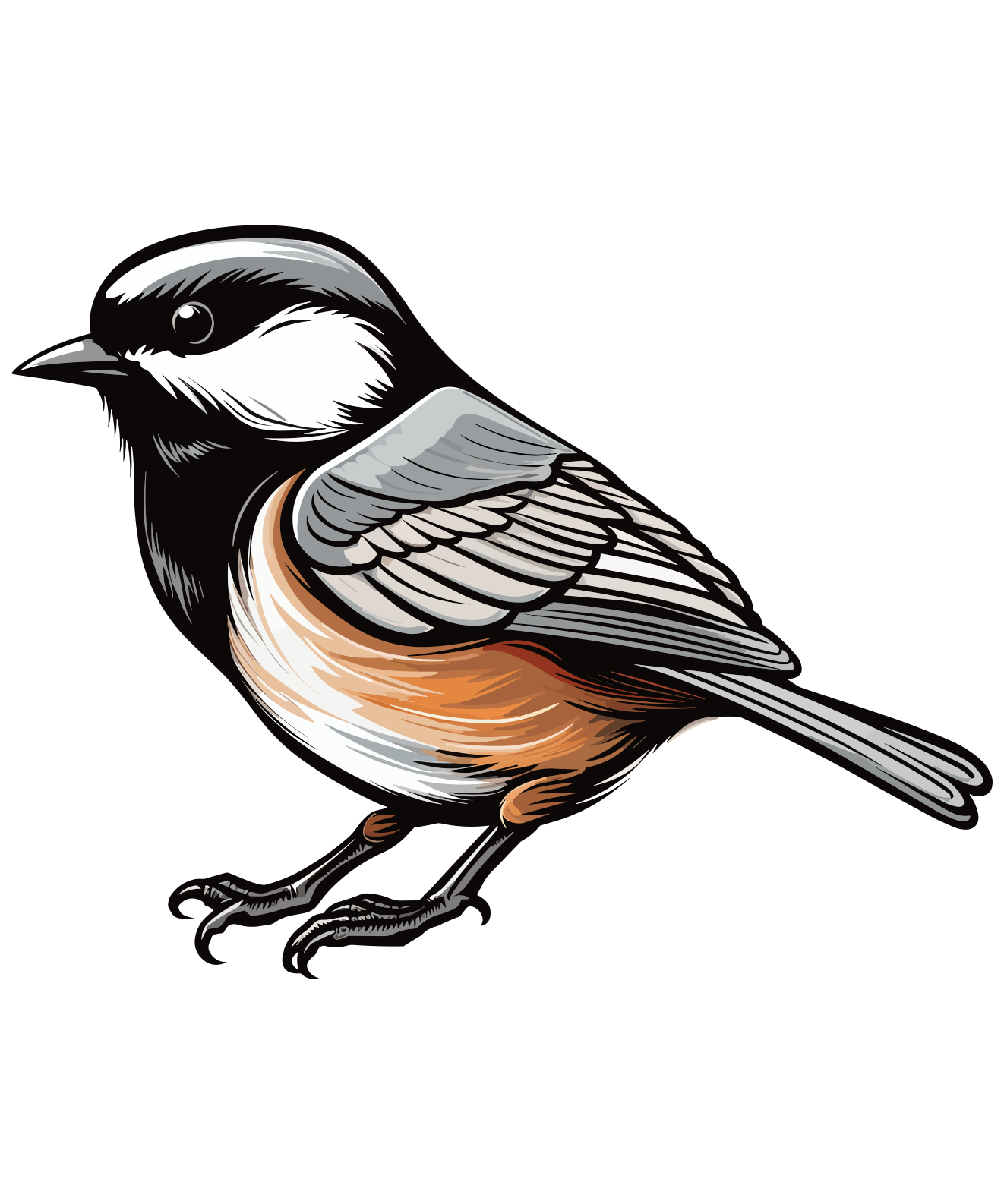
Black-capped Chickadee
Statehood
February 6, 1788
State Flower
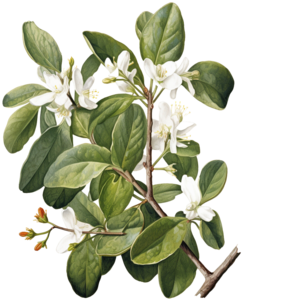
Mayflower
Population
7.0 million (2020)
Answer
Winters in Massachusetts are moderately harsh, characterized by cold temperatures, frequent snowfall, and occasional nor’easters that can bring heavy snow and strong winds. The coastal areas, including Boston, tend to experience milder winters compared to the inland and western parts of the state, where temperatures can drop lower and snow accumulation is often heavier.
Massachusetts experiences a typical New England winter climate, with average temperatures in January ranging from the low 20s to mid-30s Fahrenheit (-6 to 2 degrees Celsius). Snowfall varies across the state, with coastal cities receiving around 40-60 inches annually, while western and northern areas can see over 70 inches. Nor’easters, powerful coastal storms common from late fall through early spring, can cause significant disruptions due to heavy snow, ice, and wind. Despite the cold, winters also bring opportunities for outdoor activities like skiing and snowboarding, especially in the Berkshires and other hilly regions.
Key Points:
- Average January temperatures: 20s to mid-30s °F (-6 to 2 °C)
- Snowfall: 40-60 inches on the coast, 70+ inches inland/west
- Nor’easters can cause heavy snow and wind storms
Massachusetts experiences a typical New England winter climate, with average temperatures in January ranging from the low 20s to mid-30s Fahrenheit (-6 to 2 degrees Celsius). Snowfall varies across the state, with coastal cities receiving around 40-60 inches annually, while western and northern areas can see over 70 inches. Nor’easters, powerful coastal storms common from late fall through early spring, can cause significant disruptions due to heavy snow, ice, and wind. Despite the cold, winters also bring opportunities for outdoor activities like skiing and snowboarding, especially in the Berkshires and other hilly regions.
Key Points:
- Average January temperatures: 20s to mid-30s °F (-6 to 2 °C)
- Snowfall: 40-60 inches on the coast, 70+ inches inland/west
- Nor’easters can cause heavy snow and wind storms
Ask another question
🌦 Weather in Boston - June 11, 2026
🏙 Popular Cities in Massachusetts
Advertisement
📰 News in Massachusetts
- First responders at pond in Stoughton
- Operation Yellow Card recovers 35 missing kids from Massachusetts
- Massachusetts sets tax-free weekend date for August
- Scathing report calls for widespread changes to ‘broken’ Mass. public defense system
- Scathing report: Massachusetts court crisis could have been avoided
- A scathing new report reveals failures in Massachusetts’ public defense system
- Authorities investigate murder of 2 men involving pitchfork, capture suspect
- Two Massachusetts men found dead, one with pitchfork in head; suspect arrested on murder charges
- Fall River Police, Massachusetts State Police, investigating double homicide
- Child hit and killed by Amtrak train in Springfield, Massachusetts
- Toddler struck, killed by train in western Mass.
- Toddler dies after being hit by train in Massachusetts